On-chain Trading

Hyperliquid
A familiar trading screen with protocol-level margin, validators and market governance behind it.
Spot and perpetual order books on a trading-focused blockchain.
MARGIN & ORDER BOOKS
On-chain trading platforms offer different ways to trade perpetuals. Read short reviews of order books, ZK execution and oracle-priced pools.
An order book, a validator network and an oracle-priced liquidity pool can all offer a long or short button. Their fills, liquidation processes and loss allocation differ. Margin deposited into a protocol has different controls from tokens sitting unused in your wallet.
FIND AN ALTERNATIVE
Short reviews. Product-level facts. A closer look at the trade-offs.
Choose a product that supports your task and settlement network. Network coverage is the researched subset; deposit routes can differ.
6 short reviews
Open platform comparisonA familiar trading screen with protocol-level margin, validators and market governance behind it.
Spot and perpetual order books on a trading-focused blockchain.
The important comparison is Standard versus Premium, not a blanket zero-fee label.
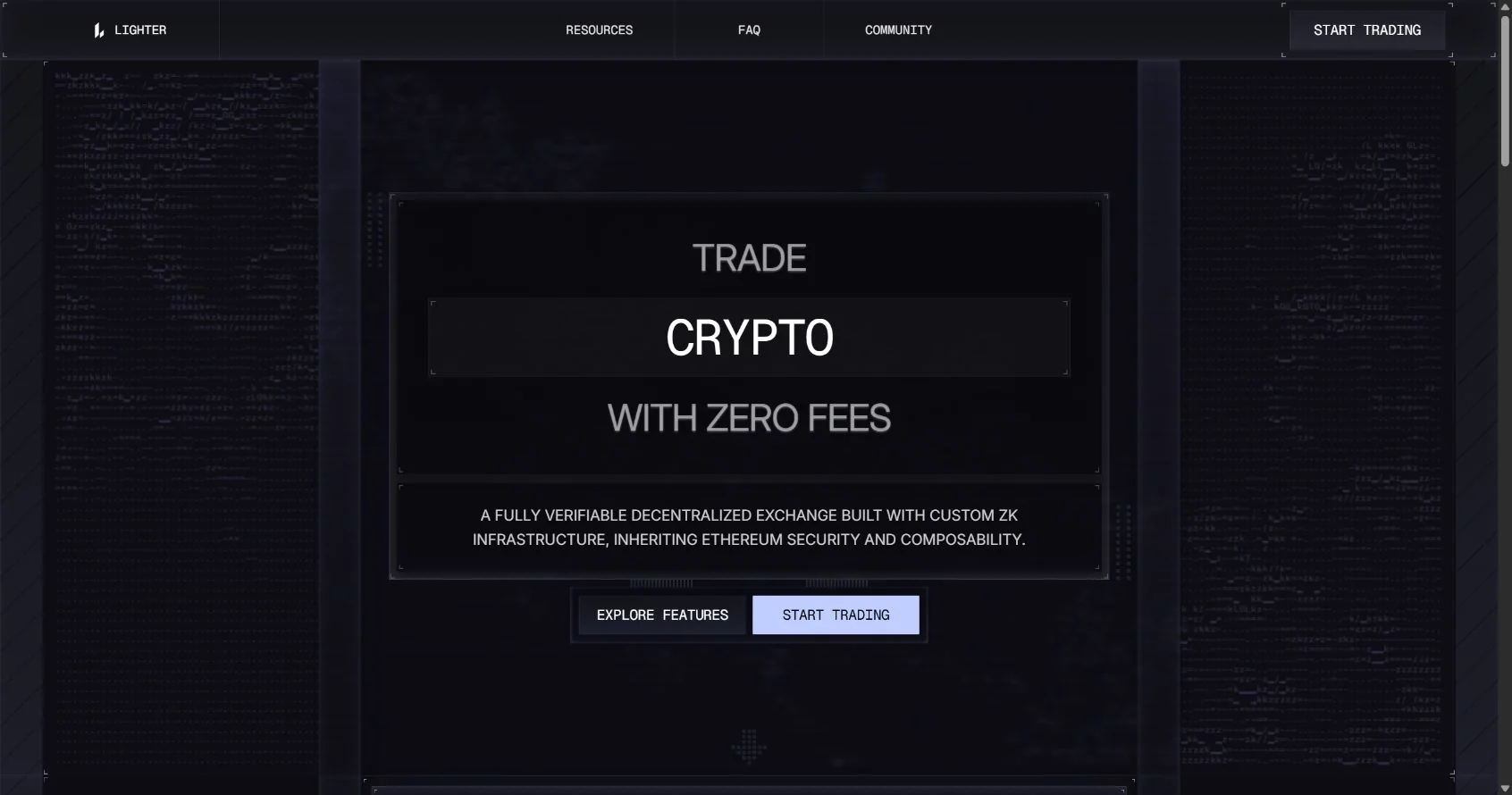
Order-book trading with account-specific fees and verifiable execution.
Choose the trading mode and market group before reading the fee headline.
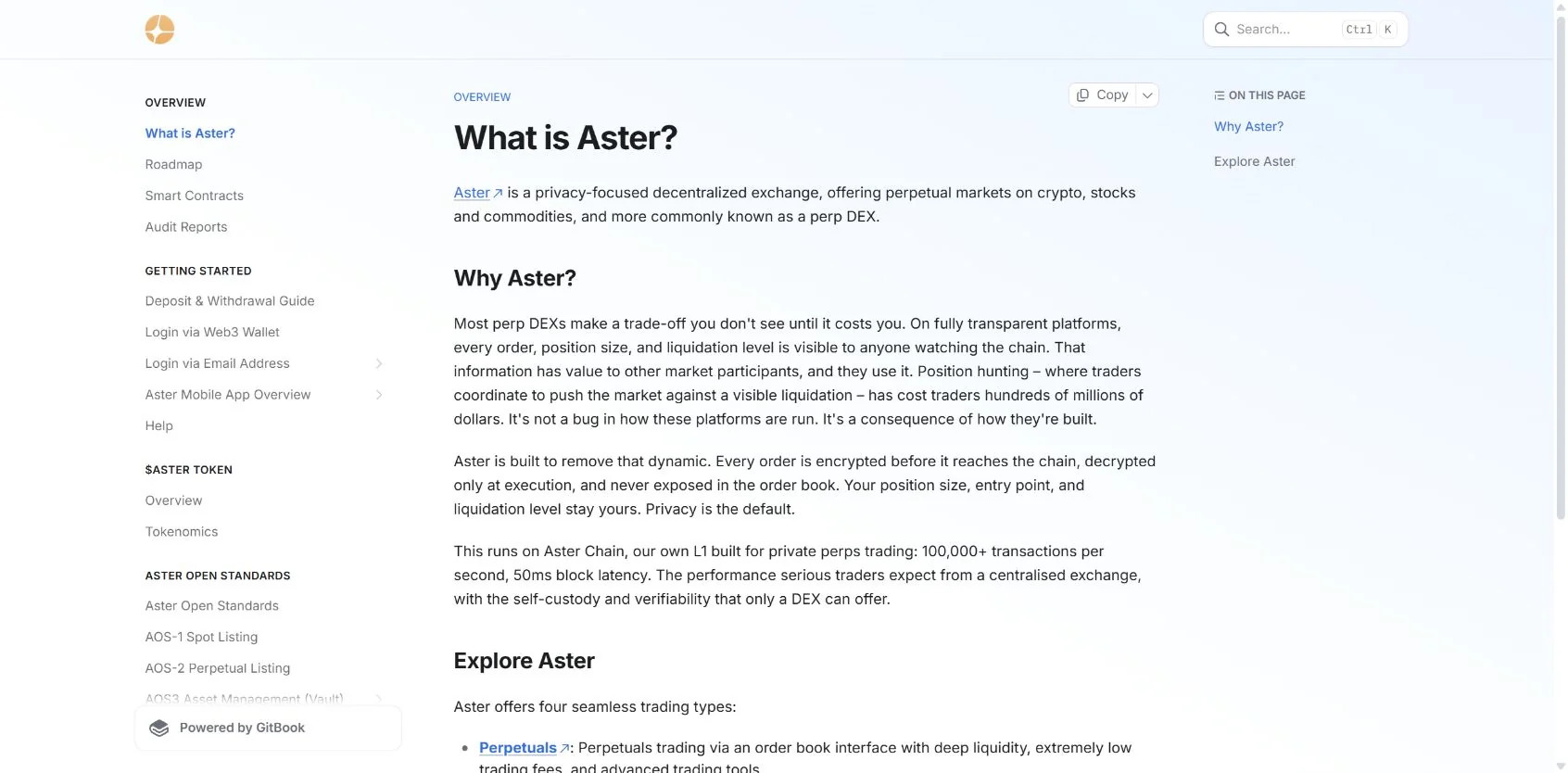
A trading platform with separate order-book, private and simplified modes.
A useful technical comparison for traders who care about the trading network as well as the screen.
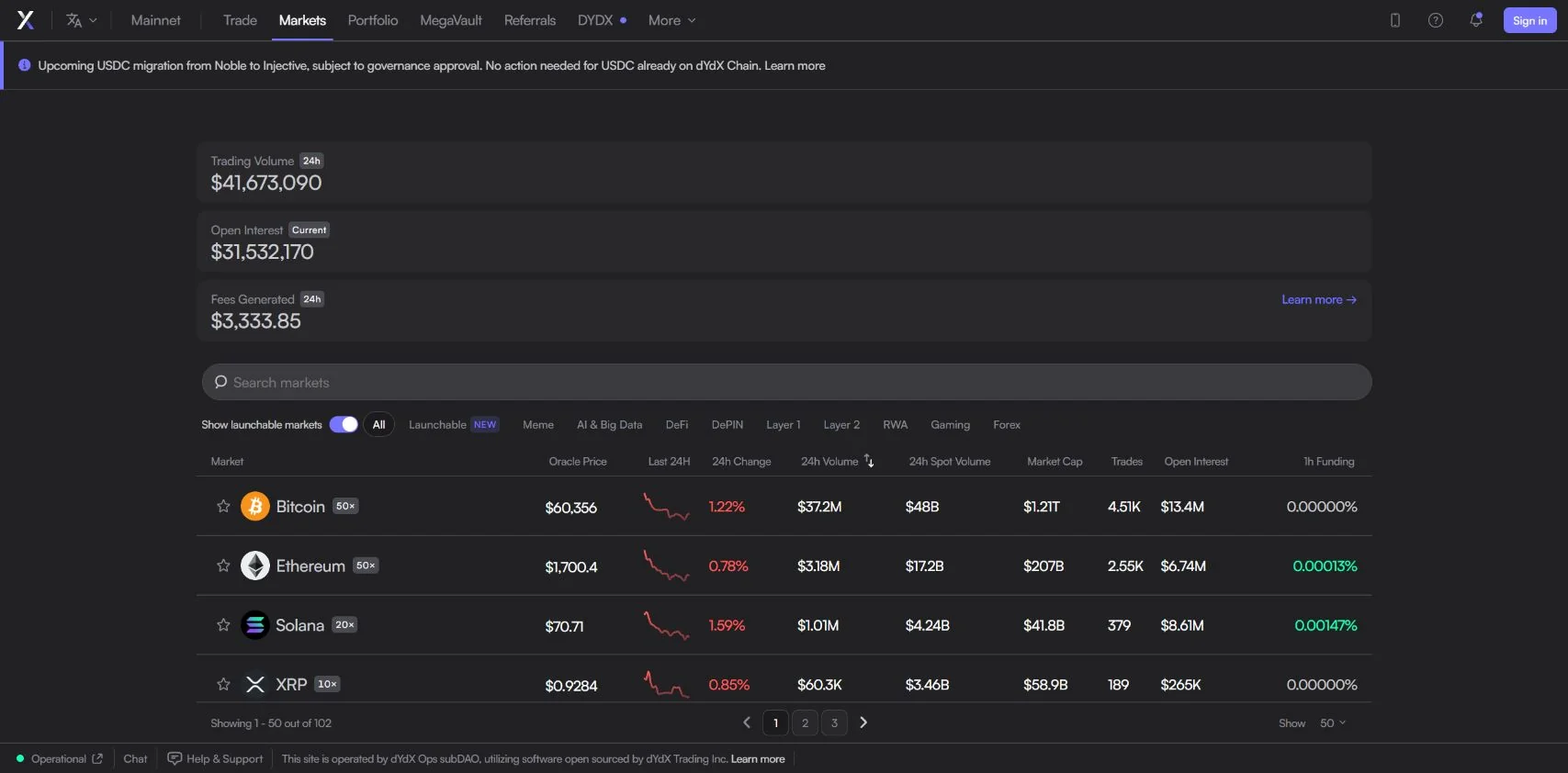
A perpetual-trading ecosystem with order books, nodes and account tooling.
A different comparison from a maker/taker order book: position balance and pool mechanics affect the bill.
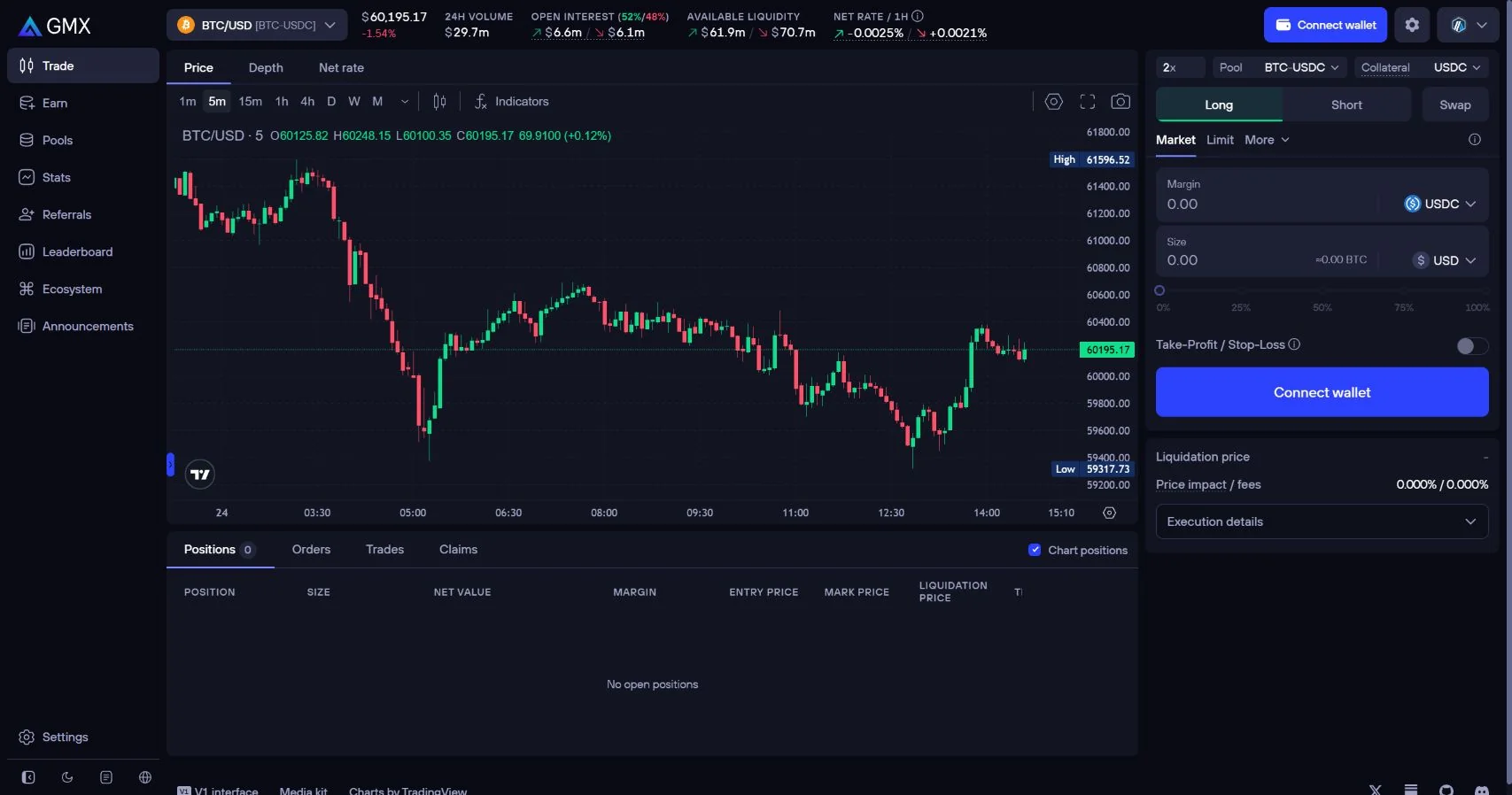
Pool-backed perpetual trading with oracle-based pricing.
Useful to inspect for Solana trading, with a material documentation mismatch to resolve.
A Solana trading brand whose current product scope needs careful matching.
Broaden the network or task. A missing result does not establish that a platform has no such product.
Only if the rest of the trade is comparable. A fee saving can be smaller than the spread, slippage or funding paid while holding. Compare entry, holding period and exit on the same notional. Leverage changes collateral requirements; trading fees are not calculated on collateral alone.
Model the applicable costs →